Doing Nothing Is the Most Expensive Option
Wisconsin is approaching a transportation funding cliff, and the rising cost of inaction will be felt across the state. Transportation is more than moving people from point A to point B; it powers our economy and keeps Wisconsin's communities strong and connected. Without stable, long-term funding, every Wisconsinite bears the burden through higher expenses, longer commutes, fewer jobs, and less safe travel. When we fail to invest, the needs of our aging system don't disappear — they compound.
Stay Informed. Take Action.
Sign up to help stay informed and to help make sure that transportation continues to deliver for Wisconsin.
Spring 2026
Statewide Roundtables
More than 600 Wisconsinites — including state legislators, candidates, local officials, community leaders, and industry partners — came together in meetings across the state to examine the condition of Wisconsin's transportation infrastructure, explore emerging opportunities, and discuss the growing real-world impacts on neighborhoods, businesses, and the state's economy.
Despite regional differences, several themes emerged:
- Communities appreciate the increased funding in recent state budgets.
- Still, the challenge of maintaining and improving aging roadway systems far exceeds available resources.
- Inflation continues to erode the purchasing power of existing revenue streams.
- Roadway safety, including bike and pedestrian safety, is a top priority.
- Wisconsin's transportation network is only as strong as its weakest link; we cannot improve one component at the expense of another.
These roundtables helped reinvigorate an essential conversation about the need for adequate, sustainable funding and the mounting consequences for households and businesses when we fail to act.
Local Governments Are Acting
600+ Resolutions & Counting
More than 600 of Wisconsin's local governments have already passed resolutions urging lawmakers to enact a comprehensive, sustainable transportation funding solution that:
- Delivers adequate and reliable revenue growth to support effective long-term planning and execution of state and local transportation programs;
- Includes responsible use of General Purpose Revenue and bonding;
- Adjusts transportation user fees and other revenue mechanisms to preserve their purchasing power, ensuring Wisconsin can adequately maintain and improve its transportation infrastructure; and
- Keeps transportation working for Wisconsin by providing sufficient funding for reconstruction, preservation, and safety investments on both state and local systems.
Local leaders agree that delaying action only makes the backlog of needs harder and more expensive to address.
This effort will continue through the 2027–2029 state budget process.
Transportation Delivers
Safe. Modern. Interconnected.
With an economy rooted in manufacturing, agriculture, and tourism, Wisconsin is one of the most transportation-dependent states in the nation. Transportation investment today pays dividends to our economy and communities and strengthens the foundation our state relies on for tomorrow.
But the condition of our system tells an urgent story
These facts make clear that postponing system maintenance and improvements due to inadequate revenue increases the burden on today's motorists and inflates the cost of the eventual fix.
I-94 East-West Corridor
The High Cost of Delay
How slowing things down cost Wisconsin hundreds of millions of dollars and made us less safe.
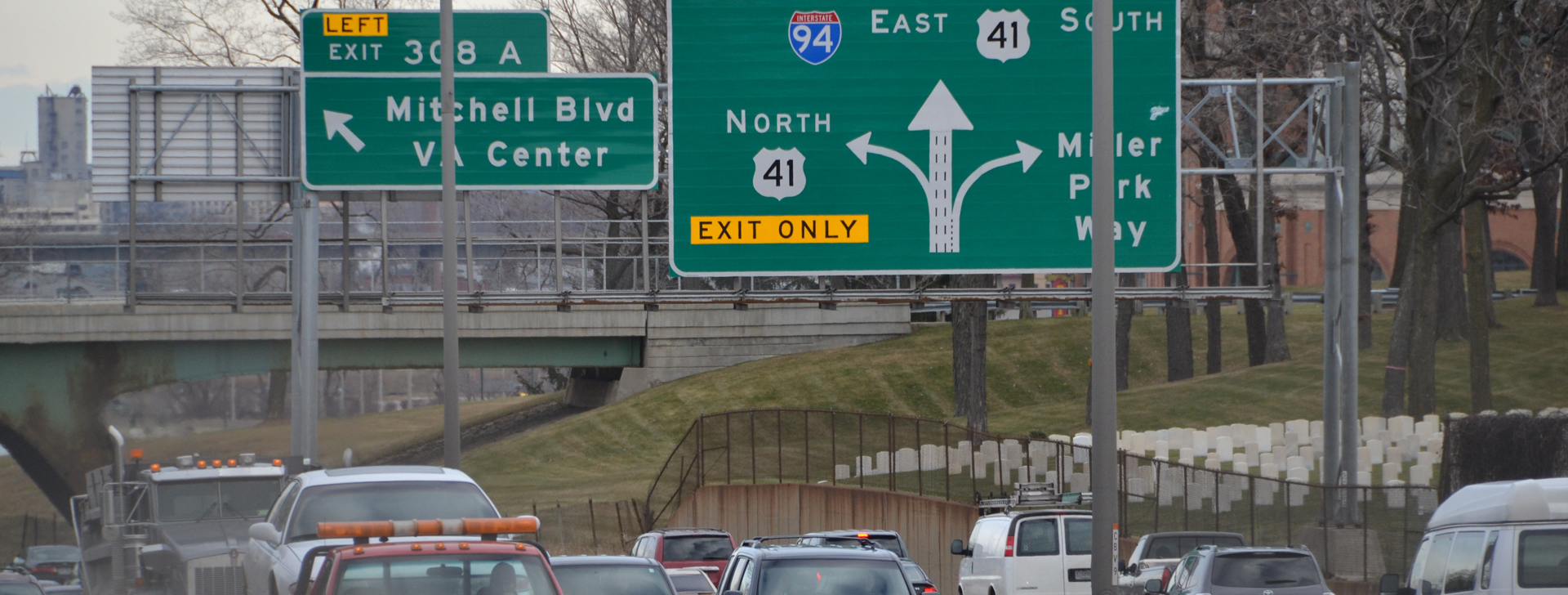
The I-94 East-West corridor in Milwaukee is one of the most heavily traveled stretches of highway in Wisconsin, carrying commuters, freight, and visitors through the region. Years of study have documented the corridor's aging infrastructure, recurring congestion, and safety concerns.
About a decade ago, the state paused the project for several years, and during that time construction costs rose sharply. The project was originally scheduled to be completed in 2023 at a cost of $1.1 billion. Today, the best-case scenario places completion in 2033 at $1.83 billion — an increase of over $700 million.
While the I-94 East-West corridor is Wisconsin's clearest example of how delay drives cost escalation, similar challenges appear around the state and across transportation modes. Keeping projects on schedule is critical, as delay-related costs ripple through transportation programs, limiting the ability of state and local governments to fund other needed improvements. The financial impacts tell only part of the story, because delays also leave businesses and residents dealing longer with aging infrastructure, persistent safety concerns, and extended construction disruption.
The lesson is straightforward: planning and addressing needs on a schedule protects both public safety and the public's investment.

A First in State History
Wisconsin's Small Bridges
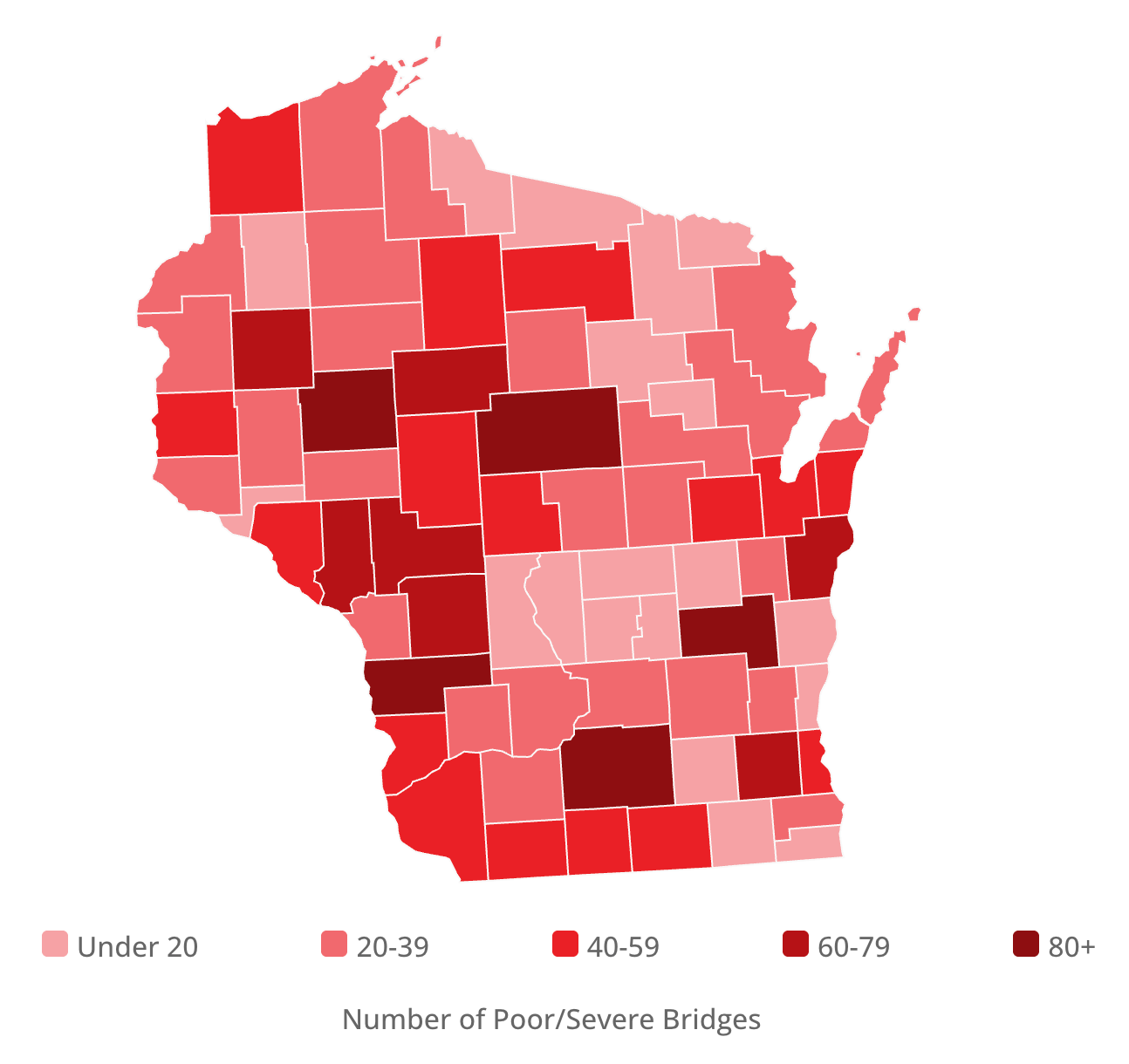
For the first time, the state completed a comprehensive inventory and inspection of small bridges and culverts spanning 6 to 20 feet, identifying nearly 17,000 structures statewide. The findings show the scale of Wisconsin's transportation challenge, with more than 1,600 of these small bridges rated in poor or worse condition, including more than 100 classified as severe.
When these findings are combined with previously identified deficient bridges longer than 20 feet, Wisconsin has more than 2,600 bridges in poor or severe condition. This underscores how our transportation system's unmet needs become more difficult and expensive to resolve when they are left unaddressed.
Community Highways
Revitalize Wisconsin
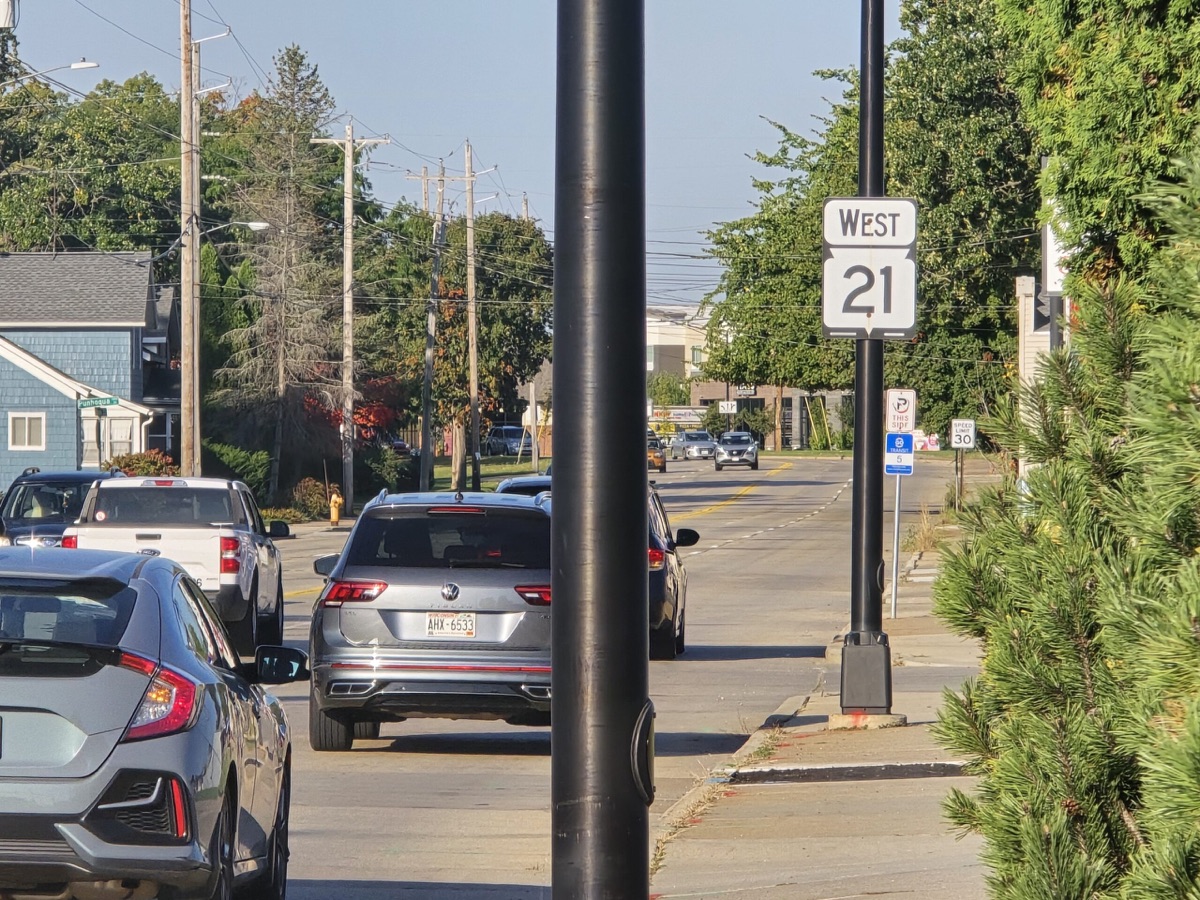
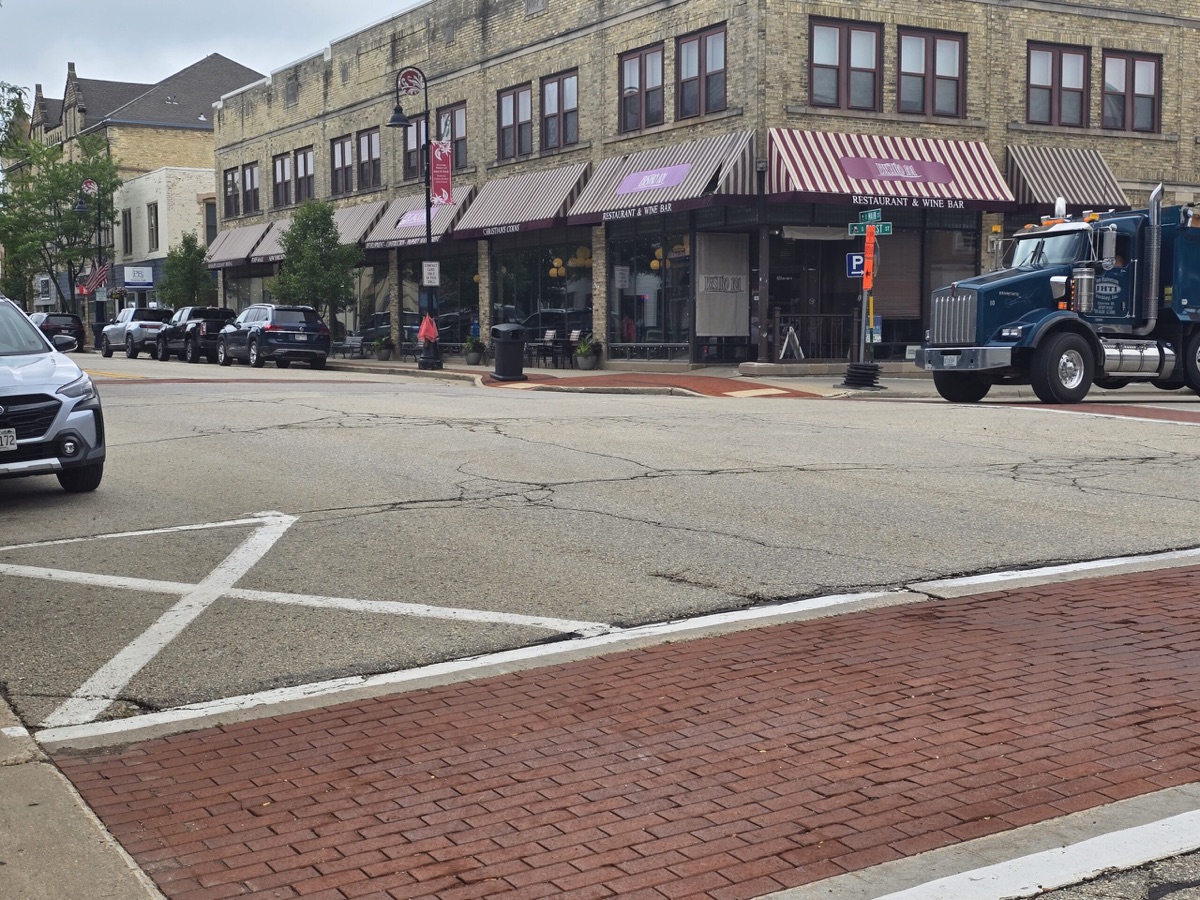
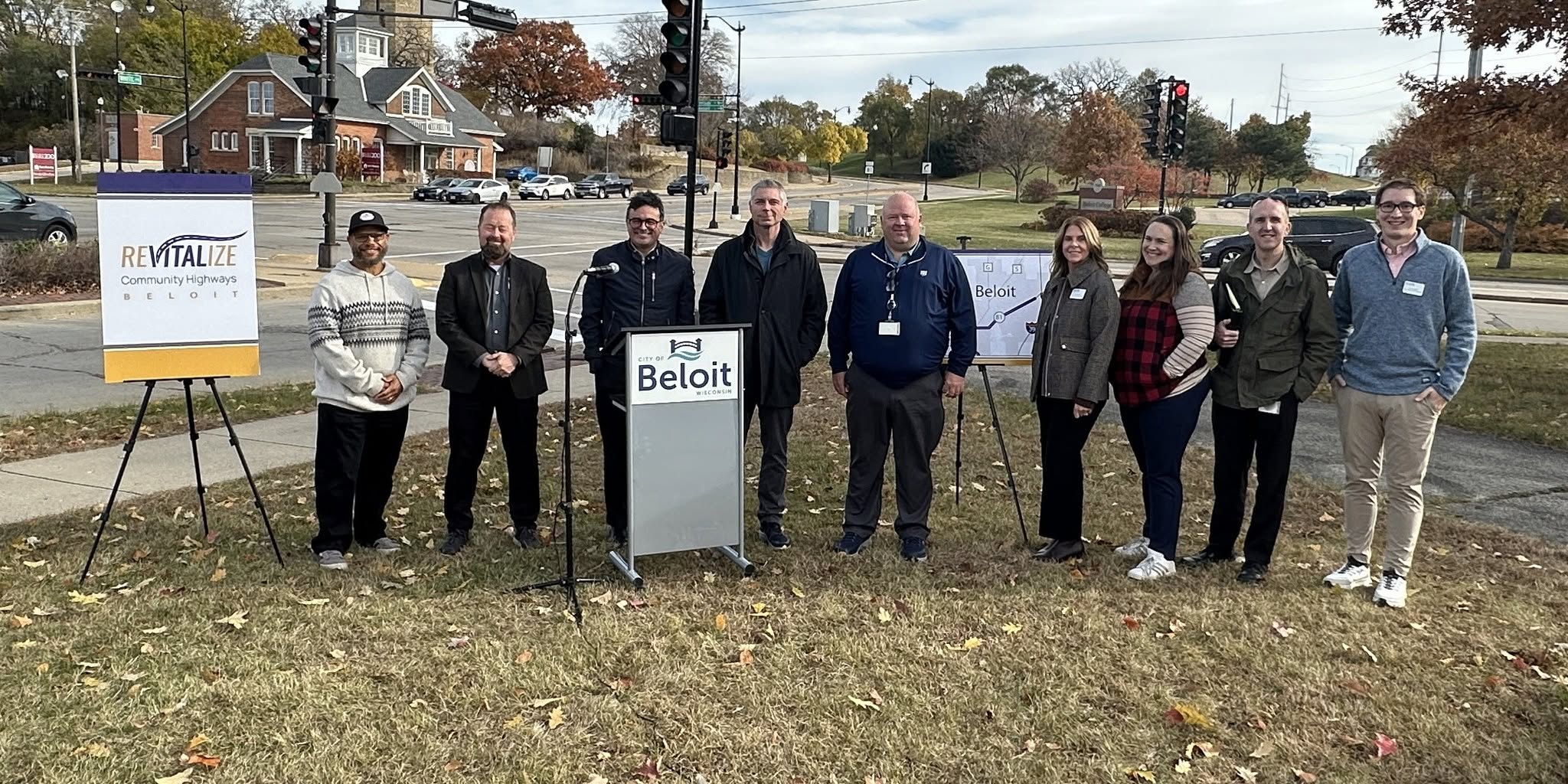
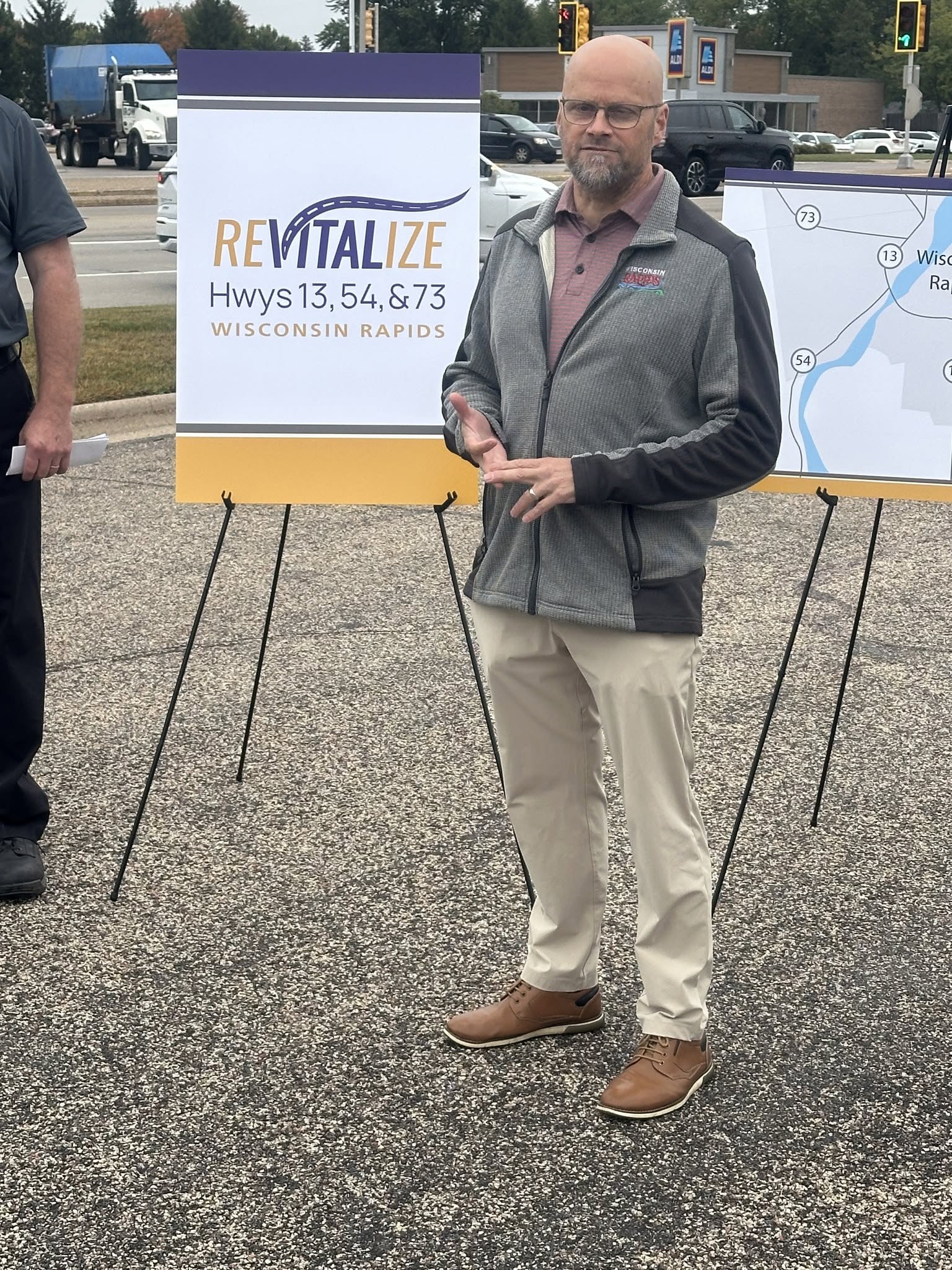
In cities and villages across Wisconsin, civic and business leaders are calling attention to long-overdue road improvements on state highways that run directly through the heart of their communities. They are emphasizing how delays and short-term fixes impact local businesses and residents, slow other needed infrastructure work, and add to the fiscal pressures facing local governments.
Watch
Our Story
Transportation Delivers for Wisconsin
Add your name and help make sure our roads, bridges, and communities get the sustainable funding they need to ensure transportation delivers for Wisconsin. We can't afford to wait.
Sign Up to Stay InformedBefore You Go
Make sure you stay informed and involved in our efforts to keep transportation delivering for Wisconsin.